

Table of Contents
- How to Choose the Best Coffee Beans for Home Brewing
- Whole Bean vs. Pre-Ground Coffee: What Matters for Flavor
- Best Coffee Roast for Drip Coffee Makers
- How to Store Coffee Beans for Freshness
- Brewing Method Suitability: Espresso, Cold Brew, and Pour Over
- Flavor Notes and Tasting Profiles Explained
- Frequently Asked Questions
Last Updated: September 10, 2026
How to Choose the Best Coffee Beans for Home Brewing
The best coffee beans for home brewing are whole beans roasted within the last two weeks, matched to your brew method and roast preference. This guide covers roast levels, origins, and storage.
Four variables decide quality: roast level, origin, grind format, and freshness. Get them right and even a basic drip machine produces a cup worth savoring.
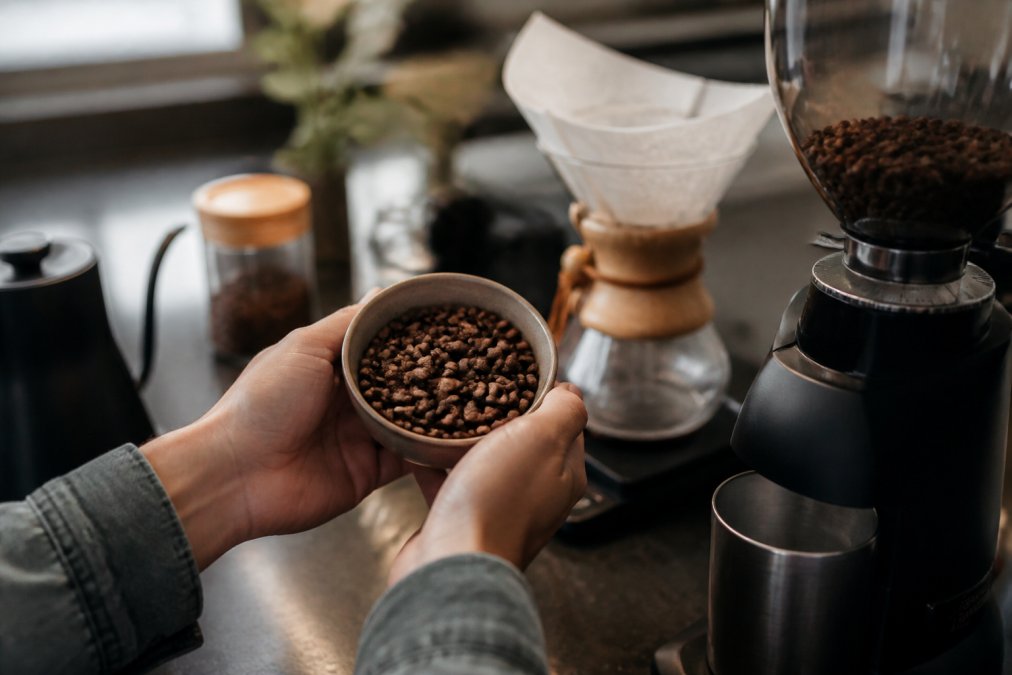
Roast Level Profiles: Light, Medium, and Dark
Roast profile is the biggest flavor lever you control. Light roasts retain origin character, medium roasts balance acidity and sweetness, and dark roasts trade nuance for smoke and bitterness.
- Light roast: bright acidity, citrus undertones, floral notes, higher caffeine retention by weight
- Medium roast: caramelized sugars, nutty and chocolate notes, balanced body
- Dark roast: low acidity, smoky and bittersweet, heavier mouthfeel
The common mistake is assuming darker means stronger. It means roastier. Caffeine barely shifts between roast levels by scoop.
Single Origin vs. Blends
Single origin coffee comes from one region, farm, or cooperative, showcasing a specific varietal and altitude-driven flavor. Blends combine multiple origins for a consistent, balanced profile year-round.
Pick single origin to taste what a region produces; pick a blend for the same cup every morning. Most home brewers keep one of each: a rotating single origin for weekends, a dependable blend for weekdays.
Whole Bean vs. Pre-Ground Coffee: What Matters for Flavor
Whole bean coffee stays fresh far longer than pre-ground because grinding exposes the bean's surface area to oxygen. Once ground, coffee loses aromatic compounds within minutes.
Pre-ground has one honest advantage: convenience. At 5:30 a.m., pre-ground beats skipping coffee entirely.
| Format | Freshness Window | Best For | Trade-off |
|---|---|---|---|
| Whole bean | 2-4 weeks after roast date | Pour over, French press, espresso | Requires a grinder |
| Pre-ground | Days after opening | Drip machines, travel, office | Faster staling, less control |
| Instant | Months sealed | Emergencies, camping | Minimal flavor complexity |
Grind size matters as much as format. An espresso grind chokes a drip filter; a coarse French press grind makes weak espresso. Match the grind to the method.
Best Coffee Roast for Drip Coffee Makers
The best coffee roast for drip coffee makers is a medium or medium-dark roast, ground to a medium consistency. Drip brewing runs water through the bed at a fixed rate, and medium roasts extract evenly without turning bitter or sour. Three variables decide whether a drip cup tastes good: roast level, grind calibration, and water chemistry.
Why medium roasts forgive drip machines
A standard drip machine holds water between 195°F and 205°F, but many budget models drift below that range and cool as the reservoir empties (sca.coffee). Light roasts are denser and less soluble, needing more heat and contact time; when water runs cool, they taste thin and sour. Medium and medium-dark roasts are more porous from longer roasting, giving up sugars and oils at lower temperatures. That is why medium is the safe default for drip.
To brew a light roast in a drip machine anyway, grind finer (closer to table-salt texture) and preheat the machine with a water-only cycle first. Both raise extraction and pull more sweetness from the bean.
Grind size calibration by roast level
Grind size is the lever most home brewers never touch, and it matters as much as the bean. The rule: the darker the roast, the coarser the grind. Dark roasts are brittle and soluble, so a fine grind over-extracts into ash and bitterness. Light roasts are dense, so a coarse grind under-extracts into sourness.
A practical starting grid for a drip machine:
- Light roast: medium-fine, roughly the texture of table salt
- Medium roast: medium, roughly the texture of beach sand
- Medium-dark roast: medium-coarse, slightly grittier than sand
- Dark roast: coarse, roughly the texture of coarse sea salt
Dial in by taste, not the chart. Sour or weak means grind finer; bitter, dry, or hollow means grind coarser. Change one notch at a time and brew the same bean twice before judging.
Water chemistry: the variable nobody mentions
Coffee is roughly 98 percent water, so your water shapes the cup as much as the bean. Magnesium binds flavor compounds and pulls them into the cup, which is why a little hardness improves extraction. Calcium does similar work but scales your machine. Bicarbonate buffers acidity; too much flattens bright light roasts.
Most specialty roasters target water with moderate hardness and low alkalinity. Filtered tap water through a carbon filter removes chlorine and odors while leaving beneficial minerals intact. Distilled or reverse-osmosis water extracts poorly because it has nothing for the coffee to bind to; if you use either, add a mineral packet or a pinch of baking soda and Epsom salt per gallon.
A quick diagnostic: if your light roast tastes muddy no matter how you grind, suspect your water before the bean. Same for a harsh, ashy dark roast.
Dose and ratio for a standard drip machine
For a 12-cup drip machine, start with one to two tablespoons of ground coffee per six ounces of water, landing near the standard 1:16 to 1:17 coffee-to-water ratio by weight (peer-reviewed research). Weighing on a kitchen scale gives repeatable results; scooping does not, because bean density varies by roast level. A scoop of light roast weighs less than a scoop of dark roast, so the same scoop produces a weaker cup when you switch roasts.
Matching roast to machine, at a glance
The same logic extends beyond drip. Espresso pushes water through a fine, compacted puck at high pressure, favoring medium to medium-dark roasts that hold up to intense extraction. Cold brew steeps 12 to 18 hours at room temperature, favoring medium to dark roasts whose chocolate and caramel notes survive the long extraction. Pour over rewards light to medium roasts because the controlled pour and paper filter highlight acidity and delicate origin character. French press uses full immersion and a metal mesh, so medium to dark roasts with a coarse grind deliver the heavy body the method is known for.
Pick the roast for the method first, then calibrate grind and water. Get those three aligned and even an inexpensive drip machine produces a cup worth drinking black.
How to Store Coffee Beans for Freshness
Storing coffee beans for freshness means keeping them away from four enemies: oxygen, moisture, heat, and light. An airtight, opaque container in a cool cupboard handles all four. Here is how long each format lasts, why the roast date matters more than any storage trick, and how to judge a bag's value.
Freshness timelines by format
Not all coffee ages at the same rate. The format you buy determines how much time you have.
- Whole bean, opened: peak flavor for roughly two to four weeks after the roast date, then a gradual decline
- Whole bean, unopened with a one-way valve: holds well for four to six weeks past roast, longer if frozen immediately
- Pre-ground, opened: noticeable decline within days, best used within one week
- Pre-ground, unopened: stays acceptable for several weeks but never reaches the ceiling of fresh-ground
- Instant: stable for months sealed, but the flavor ceiling is far lower to begin with
The one-way degassing valve on a quality bag lets carbon dioxide escape without letting oxygen in. If your bag has no valve and no roast date, use it fast.
Why the roast date beats every storage gadget
What matters most is the roast date, not the best-by date. A bag roasted last week beats a "fresh" supermarket bag with a sell-by date six months out, every time. After roasting, beans degas for a few days, releasing carbon dioxide that would interfere with extraction. Peak flavor lands between four days and three weeks post-roast, depending on roast level. Light roasts need more rest to open up; dark roasts peak earlier and fade faster because their oils are already on the surface and oxidizing.
A common pattern is to buy a bag, brew it the day it arrives, and conclude the coffee is flat. Give a light roast four to seven days off the roast before judging it; give a dark roast two to four days. If the bag has no roast date printed, that is a signal about how the roaster thinks about freshness.
Storage methods, ranked
- Airtight opaque canister at room temperature. The default. Keeps beans stable for two to four weeks.
- Original bag with the valve, rolled tight and clipped. Nearly as good, and free.
- Vacuum-sealed container. Marginal gains over a good canister, useful if you buy in bulk.
- Freezer, for long-term storage of unopened bags. Works if you follow the rules below.
- Refrigerator. Avoid. Moisture and food odors migrate into the oils.
Skip the freezer for daily-use beans. Every time you pull the bag out, condensation forms and accelerates staling. Freezing works only for long-term storage of unopened bags, and even then the beans should go straight from freezer to grinder without thawing. Portion bulk bags into single-week servings before freezing so you never thaw and refreeze the same beans.
The budget-to-quality test: is this bag worth it?
Freshness and price do not move together. Some of the best-value beans sit mid-range, and some premium bags are premium only because of the label. Here is how to judge a bag before you commit.
- Check the roast date, not the price tag. A two-week-old bag from a mid-priced roaster beats a six-month-old bag from a boutique brand.
- Look for origin detail. A bag that names the farm, region, and altitude is usually telling you something real. A bag that says only "100% arabica" is telling you almost nothing.
- Weigh the bag against the dose. A 12-ounce bag at a moderate price that lasts two weeks is often a better per-cup value than a 16-ounce bag you let go stale.
- Try the roaster's blend before the single origin. Blends are usually priced lower and are engineered for consistency, which makes them a low-risk way to test whether a roaster's style fits your palate.
- Buy small first. A 12-ounce bag costs less to gamble on than a two-pound subscription. Once you know you like a bean, size up.
The hidden gems tend to be mid-sized regional roasters who publish roast dates, name their farms, and price below the boutique tier. The trick is reading the bag instead of the marketing.
Brewing Method Suitability: Espresso, Cold Brew, and Pour Over
Matching beans to your brewing method changes the outcome more than most people expect. Each method extracts differently, so the same bag can taste excellent in one and flat in another.
- Espresso: medium to medium-dark roasts, fine grind, high pressure. Chocolate and caramel notes shine.
- Cold brew: medium to dark roasts, coarse grind, long steep. Low acidity and smooth body.
- Pour over: light to medium roasts, medium-fine grind, controlled pour. Best for highlighting acidity and delicate tasting notes.
- French press: medium to dark roasts, coarse grind, full immersion. Heavy mouthfeel and rich body.
The bloom stage, where you pour a small amount of hot water over the grounds and let them expand, matters most for pour over and French press. It releases trapped gas so water extracts evenly; skip it and you get an uneven cup.
Water temperature sits between 195°F and 205°F for most methods. Very hard water mutes flavor, while distilled water extracts poorly; filtered tap water is the practical middle ground.
Flavor Notes and Tasting Profiles Explained
Flavor notes describe what a coffee tastes like, not what was added. When a bag says "notes of chocolate," that flavor comes from the roast and the bean's natural compounds, not from cocoa.
Common descriptors and what they signal:
- Citrus undertones: bright acidity, typical of light-roasted African beans
- Nutty and chocolate: medium roast, often South American arabica
- Floral: delicate, aromatic, usually washed processing
- Caramelized: sweetness from Maillard reactions during roasting
Processing method shapes flavor before roasting begins. Washed coffees taste clean and bright; natural processed coffees taste fruitier and heavier; honey processing lands between the two, sweeter than washed but less fruity than natural.
Arabica versus robusta is the other major split. Arabica tastes smoother and more complex; robusta carries more caffeine and bitterness, and shows up mostly in blends and instant coffee.
If you want a starting point, RISE COFFEE CO. offers single-origin favorites and blends, ships direct, and offers mushroom-infused options for anyone watching caffeine intake. Our beans arrive with a clear roast date so you know exactly how fresh the bag is.
Frequently Asked Questions
What is the best type of coffee to use in a home coffee maker?
For most home drip machines, a medium roast works best because it balances acidity and body without clogging the filter. Look for whole bean coffee with a recent roast date and grind it just before brewing. If you use a machine with a built-in grinder, choose a medium setting. For espresso machines, a fine grind of medium-dark beans gives you better extraction and crema.
Is it better to buy whole bean or pre-ground coffee for home brewing?
Whole bean coffee stays fresh longer because the oils and aromatics are protected inside the bean. Once ground, coffee begins losing flavor within minutes due to oxidation. If you brew daily, a burr grinder and whole beans give you the best cup. Pre-ground works in a pinch, but check the roast date and use it within a week for the best taste.
How should I store my coffee beans to maintain freshness at home?
Keep beans in an airtight, opaque container at room temperature, away from light, heat, and moisture. Do not store them in the fridge or freezer unless you seal them in vacuum bags for long-term storage. Buy only what you will use in two to three weeks. Whole beans stay fresh for about two weeks after the roast date, while ground coffee peaks within a few days.
What are the signs of high-quality, fresh coffee beans?
Fresh beans have a strong aroma, a visible roast date within the past two weeks, and a slightly oily or matte surface depending on the roast. They should smell sweet, fruity, or nutty, not stale or papery. When you grind them, they should feel cool and release a burst of fragrance. Avoid beans with no roast date or those sitting in open bins.